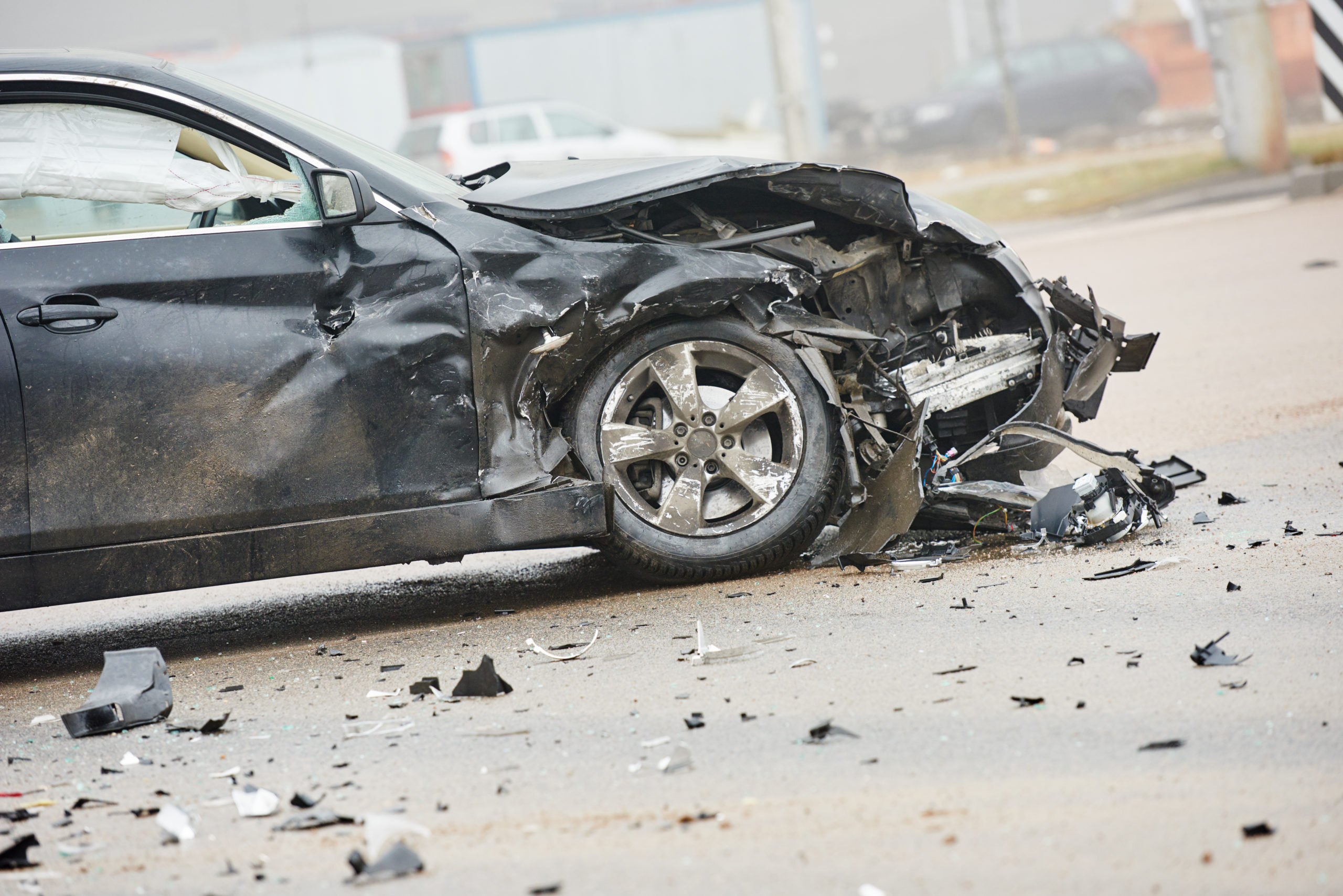

Rideshare services like Uber and Lyft have transformed how people travel in Richmond and across Virginia. From late-night rides home to quick commutes to work or the airport, these apps offer ease, flexibility, and accessibility.
But what happens when that convenience is interrupted by a crash? If you were a passenger in an Uber or Lyft accident, your path to compensation may not be as straightforward as a typical car wreck. Understanding your rights—and how to protect them—is crucial.
This blog breaks down everything you need to know, including who may be responsible, how insurance works, what steps to take after the crash, and why speaking with a Richmond car accident lawyer can make all the difference.
Rideshare Accidents Are Different: Why Passenger Rights Are Complicated
In traditional car accidents, liability often lies with one or both drivers. But when you are a ride-sharing vehicle passenger, you didn’t contribute to the crash and still ended up injured. The key questions become:
- Who caused the accident?
- Whose insurance will cover the damages?
- What happens if there’s more than one at-fault party?
- What if the other driver is uninsured?
Virginia’s “fault” insurance system places financial responsibility on the party who caused the crash. However, in rideshare accidents, passengers often have claims against multiple parties and insurance policies.
Understanding Liability in an Uber or Lyft Crash
The person or entity responsible for compensating you depends on who was at fault for the crash:
- Rideshare Driver at Fault: If your Uber or Lyft driver caused the crash due to speeding, distracted driving, or another form of negligence, you may be able to seek compensation from the rideshare company’s commercial insurance policy.
- Another Driver at Fault: If another vehicle hits your rideshare car and causes your injuries, that driver (or their insurance) may be liable. However, if they are underinsured or flee the scene, you could be covered by Uber or Lyft’s uninsured/underinsured motorist coverage.
- Shared Fault or Unclear Fault: Both drivers may sometimes share fault. Virginia follows the doctrine of contributory negligence, which can limit a person’s right to recover damages if they are even 1% at fault. You are generally not at fault as a passenger, but liability disputes between the two drivers can still delay your claim.
A qualified auto accident attorney can help you navigate this complex web and determine which insurance policy (or policies) apply to your situation.
How Rideshare Insurance Coverage Works
Uber and Lyft offer insurance for their drivers, but coverage depends on what phase of the ride the driver is in when the crash occurs. Here’s a breakdown:
- Driver Is Offline (App is Off)
- Only the driver’s auto insurance applies.
- You may need to file a claim with the driver’s private insurer.
- The driver is Logged into the App but Hasn’t Accepted a Ride Request
- Uber and Lyft provide limited liability coverage:
- $50,000 per person for bodily injury
- $100,000 per accident for bodily injury
- $25,000 for property damage
- Uber and Lyft provide limited liability coverage:
- The Driver Has Accepted a Ride or Has a Passenger Onboard
- The most robust coverage applies:
- $1 million in third-party liability
- Uninsured/underinsured motorist bodily injury coverage
- Contingent comprehensive and collision coverage (up to the actual cash value of the car with a deductible)
- The most robust coverage applies:
As a passenger, if the crash occurred while you were inside the vehicle, the $1 million coverage almost always applies, offering significant protection. Still, filing a claim and securing a full payout often requires legal support.
What to Do Immediately After a Rideshare Crash
Your actions in the minutes and hours after a rideshare accident can make a difference in your physical recovery and your legal case. Here’s what passengers should do:
- Call 911: Always report the accident, even if injuries seem minor. A police report provides an official record that can be crucial in your claim.
- Seek Medical Attention: Many injuries, like whiplash, concussions, or internal trauma, don’t show symptoms right away. A medical record establishes the timing and severity of your injuries.
- Document Everything
- Take pictures of the crash scene, vehicle damage, road conditions, and your injuries.
- Save a screenshot of your Uber/Lyft ride details.
- Write down what happened while it’s fresh in your memory.
- Collect names and contact info for the drivers, other passengers, and witnesses.
- Notify Uber or Lyft Through the App: Both companies have in-app features for reporting accidents. Doing this early can help initiate the claims process and create a digital trail.
- Avoid Giving Recorded Statements to Insurers Without Legal Advice: Insurance adjusters—even from the rideshare company—may try to limit your payout. Never agree to a recorded statement or sign documents without speaking to a Richmond car accident lawyer.
What Compensation Can a Passenger Recover?
In most cases, passengers are eligible for full compensation since they are not at fault. Your potential recovery may include:
- Medical Expenses: ER visits, surgeries, medications, physical therapy, and ongoing care.
- Lost Wages: You may be reimbursed if you missed work due to your injuries.
- Loss of Earning Capacity: If your injuries affect your ability to work long-term.
- Pain and Suffering: Emotional trauma, anxiety, depression, and PTSD can all be compensated.
- Property Damage: If you lost personal items, such as a laptop or phone, during the crash.
- Wrongful Death Damages: If a loved one died as a result of the rideshare crash, family members may be entitled to funeral expenses, lost income, and more.
Statute of Limitations: Do Not Wait Too Long
Virginia’s statute of limitations for personal injury lawsuits, including rideshare accidents, is generally two years from the incident date. If you fail to file a claim within that window, you lose your right to pursue compensation.
A different deadline may apply if the crash involved a government-owned vehicle or other special factors. A Richmond car accident lawyer can ensure all filings are timely and accurate.
Uber and Lyft Arbitration Clauses: What They Mean for Passengers
Most rideshare services include binding arbitration clauses in their user agreements. That means if you are injured, you may not be able to file a lawsuit in court against Uber or Lyft directly—instead, you may be forced to go through a private arbitration process.
This doesn’t mean you can’t recover compensation, but the process differs significantly from a courtroom trial. An auto accident attorney with experience handling rideshare claims can navigate arbitration procedures and advocate for your full recovery.
Common Causes of Uber and Lyft Accidents
Rideshare crashes occur for many of the same reasons as traditional car wrecks, including:
- Distracted driving (texting, GPS use)
- Speeding or reckless driving
- Driver fatigue (especially with full-time or multi-platform drivers)
- Impaired driving
- Poor weather or road conditions
- Third-party negligence
Even if the crash seems minor, you should never assume you’re uninjured. Injuries can surface later, and having documentation from the beginning is key to a strong claim.
Why You Should Speak to a Richmond Car Accident Lawyer
Even with the $1 million rideshare insurance policies, getting a full settlement can be a battle. Insurance companies often delay claims, dispute medical bills, or offer lowball settlements—hoping you’ll take the money and walk away.
An experienced auto accident attorney can:
- Investigate the accident and determine all liable parties
- Collect and preserve crucial evidence
- Communicate with Uber, Lyft, and their insurers
- Calculate the full value of your claim (including non-economic damages)
- Negotiate aggressively on your behalf
- Take your case to arbitration or court if necessary
Legal guidance levels the playing field and ensures you do not settle for less than you deserve.
Protecting Your Rights After a Rideshare Accident
Being a passenger in an Uber or Lyft crash can be terrifying and disorienting. The good news is that Virginia law provides options for injured victims, and rideshare insurance policies offer substantial coverage. But asserting your rights takes knowledge, strategy, and timely action.
Do not let insurance companies pressure you into a quick settlement. Do not assume you must navigate this alone. The sooner you speak with a Richmond car accident lawyer, the sooner you can take control of your recovery and start rebuilding your life.